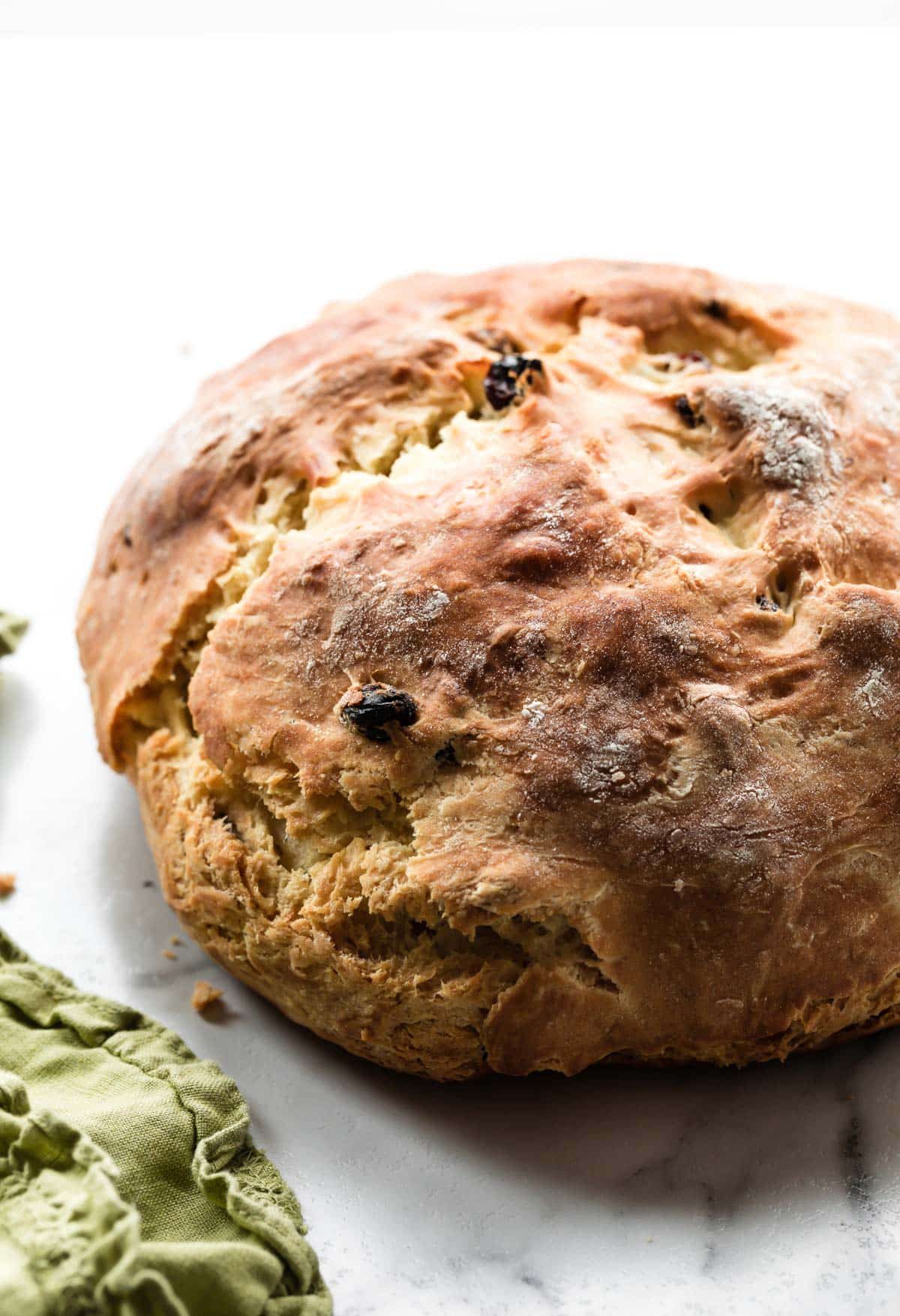
Bake Authentic Irish Soda Bread with Just 4 Simple Ingredients
Imagine a warm, rustic loaf of bread, fresh from the oven, with a satisfyingly crisp crust and a tender, slightly crumbly interior. Now imagine achieving that without any complicated kneading, proofing, or a long list of ingredients. Welcome to the wonderful world of traditional Irish soda bread – a culinary gem that relies on just four fundamental components to create a genuinely authentic taste of Ireland.
For centuries, Irish soda bread has been a staple in Irish homes, a testament to simple, resourceful baking. Unlike modern yeast breads that demand patience and intricate handling, this quick bread comes together with remarkable ease. It's the perfect recipe for beginner bakers, busy home cooks, or anyone craving homemade bread without the fuss. Forget butter, sugar, or eggs often found in contemporary variations; the true essence of this bread lies in its purity and straightforward process, proving that often, less is truly more.
What Defines an Authentic Irish Soda Bread?
Defining what makes an Irish soda bread truly authentic can be a fascinating journey into tradition. While countless recipes exist today, a classic Irish loaf distinguishes itself through specific characteristics rooted in its history and purpose. It’s not just about the ingredients, but how they come together to create a distinctive texture and flavor profile.
Historically, when Irish soda bread first emerged in the early 1800s, it served a crucial role. Ireland’s native wheat was low in protein, making it unsuitable for traditional yeast-leavened breads that required strong gluten development. The discovery of baking soda (sodium bicarbonate) as a leavening agent, reacting with the acidity of buttermilk, provided a revolutionary solution. This chemical reaction created a quick rise without relying on yeast, perfectly suited for the local flour.
To preserve this heritage, traditionalists in Ireland have even coined the term “traditional soda bread” to differentiate the genuine article from more elaborate, modern, or Americanized versions that might include additions like sugar, eggs, or butter. When we speak of true Irish soda bread, we refer to a loaf that typically embodies:
- A Distinctly Round Shape: Often baked as a free-form loaf.
- A Scored Cross on Top: Not just for aesthetics, this scoring helps the bread cook evenly and, traditionally, was believed to ward off evil spirits.
- Tanginess from Buttermilk: A subtle, pleasant tartness that is a hallmark of the bread.
- Savory, Not Sweet: The traditional loaf is earthy and less complex than yeast breads, designed to complement meals rather than stand alone as a sweet treat.
- A Hard, Craggy Crust and Dense, Crumbly Interior: Its texture is sturdy, with a satisfying chew.
- Minimal Rise: It lacks the fluffy rise of yeast breads, instead offering a compact, comforting crumb.
These elements, combined with the core ingredients, create a taste that is subtly tangy, a hint salty, and profoundly satisfying – truly a taste of authentic Ireland. To delve deeper into its origins and cultural significance, explore our article on Traditional Irish Soda Bread: Uncover Its History & True Flavor.
The Magic Behind Just 4 Core Ingredients
The beauty of Irish soda bread lies in its powerful simplicity. Achieving such a robust and flavorful loaf with just four ingredients is nothing short of baking magic. Each component plays a vital role in creating the bread's unique texture and taste profile:
- Flour: The foundation of any bread. While traditional Irish wheat was low in gluten, today’s all-purpose flour works wonderfully. You'll typically need around 3½ cups. Using a softer, lower-protein flour (like a pastry flour or a combination with all-purpose) can get you even closer to the traditional texture. Keep some extra flour handy for dusting your hands and work surface.
- Baking Soda (Bicarbonate of Soda): This is the hero leavening agent. Unlike yeast, baking soda reacts instantly with acidic ingredients – in this case, buttermilk – to produce carbon dioxide gas, which creates air pockets and causes the bread to rise. This immediate reaction is why soda bread is often called a "quick bread."
- Salt: A crucial flavor enhancer. Salt balances the tanginess of the buttermilk and brings out the earthy notes of the flour, preventing the bread from tasting bland. Don't underestimate its importance; a loaf without salt will fall flat on flavor.
- Buttermilk: The indispensable liquid. Buttermilk provides the necessary acidity to activate the baking soda, initiating the rapid chemical reaction that gives the bread its lift. Beyond its functional role, buttermilk also imparts that signature subtle tang and contributes to a tender crumb. If you don't have buttermilk, you can make a substitute by adding a tablespoon of lemon juice or white vinegar to regular milk and letting it sit for 5-10 minutes until it slightly curdles – though traditional buttermilk truly gives the best flavor.
It’s important to reiterate that a traditional Irish soda bread recipe, by its very definition, does not include butter, sugar, or eggs. These additions transform the bread into an "enriched" version, often sweet and softer, moving away from the rustic, savory character that defines the authentic Irish loaf. Sticking to these four core ingredients ensures you bake a bread true to its heritage.
Your Guide to Baking an Authentic Irish Soda Bread
Baking this bread is less about precision and more about intuition and a light touch. Remember, no kneading is required! The less you handle the dough, the more tender your loaf will be. Here's how to bring your authentic Irish soda bread to life:
Gather Your Tools and Ingredients:
- Large mixing bowl
- Baking sheet (or a cast-iron skillet, though an oven is recommended for best texture)
- Measuring cups and spoons
- 3½ cups all-purpose flour, plus extra for dusting
- 1 teaspoon baking soda
- 1 teaspoon salt
- 1½ - 1¾ cups buttermilk (start with 1½ and add more if needed)
Step-by-Step Instructions:
- Preheat Oven & Prepare Surface: Preheat your conventional oven to 425°F (220°C). Lightly flour a baking sheet or line it with parchment paper.
- Combine Dry Ingredients: In your large mixing bowl, whisk together the flour, baking soda, and salt until well combined. Make sure there are no lumps of baking soda.
- Add Buttermilk: Make a well in the center of the dry ingredients. Pour in about 1½ cups of buttermilk. Using a fork or your hands (floured, of course!), gently mix the ingredients, starting from the center and incorporating the flour from the sides. Mix just until a sticky, shaggy dough forms. Avoid overmixing or kneading – this is key to a tender loaf. If the dough is too dry, add a little more buttermilk, a tablespoon at a time, until it just comes together.
- Shape the Loaf: Turn the sticky dough out onto a lightly floured surface. With floured hands, gently pat and shape the dough into a round, flattened loaf, about 1½ to 2 inches thick. Don't worry about perfection; rustic is authentic!
- Score the Cross: Carefully transfer the round loaf to your prepared baking sheet. Using a sharp knife, score a deep cross on the top of the loaf, extending the cuts almost to the edges and fairly deep into the dough (about halfway through the thickness). This scoring helps the bread rise properly and cook through evenly.
- Bake to Perfection: Place the baking sheet in the preheated oven. Bake for approximately 35-45 minutes. The baking time will vary based on your oven, but a minimum of 40 minutes is often recommended for the right texture and a deep golden-brown crust. The bread is done when the crust is golden brown and hard, and if you tap the bottom of the loaf, it sounds hollow.
- Cool and Serve: Once baked, transfer the Irish soda bread to a wire rack to cool completely. While it's tempting to cut into it immediately, allowing it to cool helps the interior set properly. However, many enjoy it warm!
This simple process makes it an incredibly rewarding bake. For more beginner-friendly tips and a quick baking approach, check out our guide on Easy Irish Soda Bread: No Kneading, Quick Baking for Beginners.
Enjoying Your Authentic Bake
Once your glorious loaf of Irish soda bread has cooled, it's ready to be savored. This bread is incredibly versatile and shines in many settings. Serve it warm with a generous smear of good Irish butter – the simplicity of the bread provides a perfect canvas for the creamy richness of the butter.
It's also an ideal accompaniment to hearty soups and stews, perfect for soaking up every last drop of flavorful broth. A slice alongside a traditional Irish breakfast, or as part of a St. Patrick's Day feast, truly completes the experience. Its robust, savory flavor pairs wonderfully with savory dishes, cheeses, or even a strong cup of tea.
To store any leftover soda bread, wrap it tightly in a clean tea towel or foil at room temperature. It's best enjoyed within 1-2 days, as its texture can become tougher over time. A quick reheat in the oven can sometimes revive it slightly.
Conclusion
Baking authentic Irish soda bread with just four simple ingredients is more than just a recipe; it's an embrace of culinary heritage and the joy of simple, honest food. From its historical roots in early 19th-century Ireland to its comforting presence on today's tables, this quick bread continues to charm with its rustic appeal and distinctive flavor. So, roll up your sleeves, grab your floury hands, and embark on a rewarding journey to bake a loaf that is truly Irish, truly traditional, and utterly delicious.
