Traditional Irish Soda Bread: A Journey Through History and Authentic Flavor
The aroma of freshly baked bread is one of life's simplest pleasures, evoking feelings of comfort and home. While many breads demand extensive kneading and lengthy proofing, there exists a rustic marvel that defies these conventions: traditional
Irish soda bread. This isn't just any bread; it's a staple deeply woven into the fabric of Irish culinary history, celebrated for its humble ingredients, straightforward preparation, and uniquely satisfying flavor. Far from the sweeter, enriched versions often found outside of Ireland, authentic
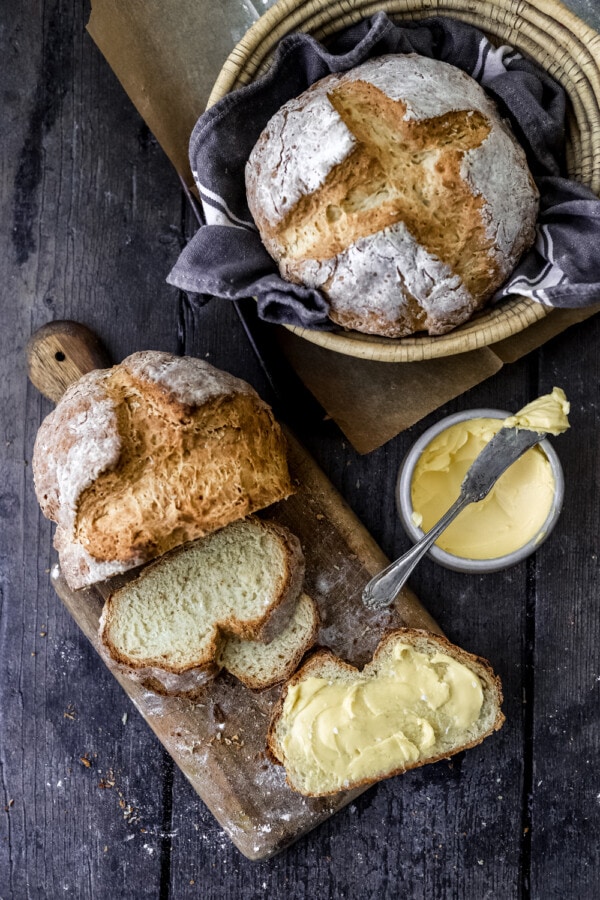
Irish soda bread offers a distinct experience – a craggy crust yielding to a dense, slightly crumbly interior, all infused with a subtle tang.
In this comprehensive guide, we'll embark on a journey to uncover the true essence of this iconic loaf. We’ll delve into its fascinating history, decipher what truly defines a traditional recipe, explore the magic behind its simple components, and provide practical tips to help you bake your own perfect loaf. Prepare to rediscover the unpretentious charm and robust flavor of genuine
Irish soda bread.
The Humble Beginnings: Tracing the History of Irish Soda Bread
To truly appreciate
Irish soda bread, we must step back in time to the early 19th century. While baking soda, or bicarbonate of soda, was first isolated in 1791, its use in bread making gained traction as the century progressed. One of the earliest known printed recipes for soda bread appeared in the November 1836 edition of
The Farmer’s Magazine, marking a significant milestone in its documented history.
The invention of
Irish soda bread was less about culinary innovation and more about ingenious practicality, born out of necessity. Ireland's climate and soil conditions were not ideal for growing high-gluten wheat, which is essential for traditional yeast-leavened breads that require extensive kneading and a long rise. Instead, the local wheat varieties were typically lower in protein, resulting in doughs that struggled to achieve the light, airy texture associated with yeast breads.
The solution came in the form of baking soda, which, when combined with acidic buttermilk, creates a rapid chemical reaction, producing carbon dioxide bubbles that leaven the dough quickly. This meant that even with low-protein flour, a substantial, satisfying loaf could be baked without the need for yeast, complex techniques, or prolonged waiting times. This method transformed bread making from a lengthy process into a quick, accessible one, making it a cornerstone of the Irish diet, especially in rural households where ovens were often simple bastible pots over an open fire. It was this resourcefulness that cemented
Irish soda bread as a symbol of Irish resilience and ingenuity.
What Defines True Traditional Irish Soda Bread?
Defining "traditional" in the context of
Irish soda bread can be surprisingly nuanced, as interpretations vary. However, at its core, classic Irish baking values simplicity and functionality. To preserve its authenticity, many traditionalists in Ireland have even coined the term "traditional soda bread" to distinguish the quintessential simple loaf from modern, often richer, variations.
A truly traditional
Irish soda bread is characterized by several key features:
- Simple Four-Ingredient Base: It is made strictly with just flour, baking soda, salt, and buttermilk. No butter, no sugar, no eggs – these additions signify a deviation from the traditional form.
- Distinct Tanginess: The buttermilk is not just for leavening; it imparts a signature tang that is crucial to the bread's flavor profile.
- Earthy, Savory Profile: Unlike many modern breads, it is unequivocally savory, with an earthy taste that complements its rustic nature. It is not sweet unless specific, non-traditional additions are made.
- Round Shape with a Scored Cross: Traditionally, the dough is shaped into a round loaf, and a deep cross is scored into the top. This cross is both practical (helping the loaf bake evenly by allowing steam to escape) and symbolic (warding off evil spirits or offering a blessing).
- Craggy Crust and Dense Interior: The texture is hearty. Expect a hard, crisp, and craggy crust that gives way to a dense, sturdy, and slightly crumbly interior. It won't have the fluffy rise of a yeast bread.
- Minimal Handling: The dough is handled as little as possible. Overworking the dough develops gluten, which can make the bread tough. The quick chemical reaction between baking soda and buttermilk does the heavy lifting, not extensive kneading.
Understanding these core characteristics is vital. While variations like "Treacle soda bread" or the "American-style Irish soda bread" (which often includes sugar, eggs, and butter for a richer, softer crumb) are delicious in their own right, they diverge from what is considered genuinely traditional. The beauty of true
Irish soda bread lies in its unpretentious, elemental composition.
The Magic of Just Four Ingredients: Understanding the Core Components
The profound simplicity of
Irish soda bread truly shines through its ingredient list. Just four fundamental components come together to create a loaf brimming with character and history. Eschewing complex additives, these ingredients work in concert to produce the distinct flavor and texture for which this bread is celebrated.
1.
Flour: The foundation of any bread, for traditional
Irish soda bread, the choice of flour is critical. Historically, low-protein, soft wheat flour was used, which didn't lend itself well to yeast bread methods. Today, while some purists might seek out specific Irish flours, standard all-purpose flour works wonderfully for home bakers. It's important not to over-measure flour; too much can lead to a dry, dense loaf. Keep a little extra on hand for dusting your hands, but stick to the recipe's specified amount for the dough.
2.
Baking Soda (Bicarbonate of Soda): This is the star leavening agent. Unlike yeast, which produces carbon dioxide slowly through fermentation, baking soda reacts almost instantly when it comes into contact with an acid. This rapid reaction is what gives soda bread its quick rise and eliminates the need for proofing. Ensure your baking soda is fresh for optimal results; old baking soda can lead to a flat, heavy loaf.
3.
Salt: A seemingly minor ingredient, salt plays a crucial role. It doesn't just add flavor; it balances the tanginess from the buttermilk and enhances the overall savory profile of the bread. Without salt, the bread would taste bland and flat, lacking depth.
4.
Buttermilk: The indispensable liquid component, buttermilk is what makes soda bread possible. Its acidity reacts with the baking soda, creating the carbon dioxide bubbles that leaven the bread. Beyond its leavening power, buttermilk imparts the bread's characteristic tanginess and contributes to its moist yet crumbly texture. If you can't find traditional buttermilk, you can easily make a substitute by adding a tablespoon of lemon juice or white vinegar to a cup of regular milk and letting it sit for 5-10 minutes until it slightly curdles. However, for the most authentic flavor, genuine buttermilk is always recommended.
These four simple ingredients, when combined correctly and handled minimally, transform into a loaf that is far greater than the sum of its parts. It's a testament to the power of basic, quality components.
Baking Your Authentic Irish Soda Bread: Tips for Success
Baking your own traditional
Irish soda bread is a rewarding experience, especially when you understand the nuances that contribute to its authentic texture and flavor. It's an ideal recipe for beginners, as it cleverly bypasses many of the intimidating steps associated with yeast breads. If you're looking for a simple, quick way to get into bread baking, this
easy Irish soda bread recipe is an excellent starting point.
Here are some essential tips to ensure your loaf turns out perfectly:
1.
Handle the Dough Minimally: This is arguably the most critical rule. Unlike yeast doughs that require kneading to develop gluten, soda bread dough should be mixed just until the ingredients are combined. Overworking the dough will activate the gluten in the flour, resulting in a tough, rubbery loaf rather than the desired sturdy, crumbly texture. Use floured hands to gently bring the sticky dough together.
2.
Achieve the Right Dough Consistency: The dough for
Irish soda bread is typically quite sticky. Don't be tempted to add too much extra flour to make it easier to handle, as this will dry out your bread. A sticky dough is a sign that it has the correct moisture content from the buttermilk.
3.
Shape and Score Correctly: Form the dough into a round loaf, about 1-2 inches thick. Then, using a sharp knife, score a deep cross on top, extending almost to the edges. This cross isn't just for tradition; it serves two practical purposes: it helps the loaf bake more evenly by allowing steam to escape, and some believe it helps the center cook thoroughly, preventing a doughy interior.
4.
Bake in a Conventional Oven: While some variations might be cooked in a skillet, for the classic texture—a crisp, hard, and craggy crust with a sturdy, slightly crumbly interior—a conventional oven is highly recommended. Preheat your oven adequately and bake for at least 40 minutes, or until the crust is golden brown and sounds hollow when tapped on the bottom. Baking time can vary depending on your oven and the size of your loaf.
5.
Don't Be Afraid of Cragginess: A perfectly traditional
Irish soda bread is not a smooth, uniformly shaped loaf. Its rustic charm comes from its hard, craggy edges and an uneven, robust exterior. This is a sign of authenticity, not a baking flaw!
6.
Cool Properly: Once baked, transfer the bread to a wire rack to cool slightly. While it's delightful served warm, allowing it to cool a bit helps the texture set.
For a detailed, step-by-step recipe that adheres to these traditional principles and uses just the four core ingredients, make sure to check out our guide on how to
Bake Authentic Irish Soda Bread with Just 4 Simple Ingredients. You'll be surprised how simple it is to achieve a truly authentic loaf!
Serving Suggestions and Enjoying the True Flavor
Once your golden-brown, crusty loaf of
Irish soda bread emerges from the oven, the real enjoyment begins. Its robust, savory flavor and hearty texture make it incredibly versatile and perfect for a variety of culinary pairings.
Perhaps the most quintessential way to enjoy
Irish soda bread is simply served warm with a generous smear of good quality butter. The butter melts into the sturdy, slightly crumbly interior, creating a comforting experience that highlights the bread's earthy tang and subtle saltiness. It's a humble pleasure that truly allows the bread's authentic character to shine.
Beyond butter,
Irish soda bread is an excellent accompaniment to a wide range of dishes:
- Soups and Stews: Its dense texture makes it ideal for soaking up the rich broths of hearty stews, especially traditional Irish stews, or creamy vegetable soups.
- Cheese: Pair it with strong Irish cheddar or other artisanal cheeses for a simple yet satisfying snack or light meal.
- Alongside Breakfast: While not sweet, its neutral savory profile makes it a fantastic addition to a full Irish breakfast, complementing sausages, bacon, and eggs.
- St. Patrick's Day Celebrations: No St. Patrick's Day dinner is complete without a loaf of this traditional bread, serving as a fitting centerpiece for a celebratory meal.
Despite its simplicity, traditional
Irish soda bread offers a depth of flavor that is both satisfying and unique. Its crisp, hard, and craggy edges, coupled with a sturdy, slightly crumbly interior and a distinct tangy, savory taste, provide a truly authentic culinary experience.
Conclusion
From its origins born of necessity in 19th-century Ireland to its cherished status today, traditional
Irish soda bread remains a testament to the beauty of simplicity. It stands apart from its sweeter, richer counterparts, proudly showcasing its elemental charm through just four core ingredients: flour, baking soda, salt, and buttermilk. This isn't just a recipe; it's a piece of history, a cultural icon that embodies resilience, resourcefulness, and the unpretentious joy of homemade bread.
Baking your own authentic loaf is an accessible and incredibly rewarding endeavor. By understanding its history, adhering to its defining characteristics, and following simple handling tips, you can recreate the true flavor and texture of this rustic masterpiece in your own kitchen. So, gather your ingredients, dust your hands with flour, and embrace the tradition. The experience of biting into a warm, craggy slice of genuine
Irish soda bread is an invitation to taste history itself – a hearty, satisfying, and utterly delicious journey back to the heart of Ireland.